Indegene is a tech-native life sciences commercialization company, trusted by 19 of the top 20 biopharma companies worldwide. They were scaling up a new division to help American pharmaceutical companies build and adopt AI-powered solutions. The catch? They needed their own people to deeply understand generative AI first.
The challenge
Indegene was hiring scientific writers, product managers, designers and analysts at pace. Smart people, but most of them had surface-level familiarity with AI at best. Some had used ChatGPT casually. Very few understood what was actually happening under the hood.
That gap mattered. These weren’t people building chatbots for fun. They were going to advise pharma companies on AI adoption. Scientific writers, in particular, were working with regulated medical content where a hallucinated citation isn’t just embarrassing, it’s a compliance risk. The team needed more than a “here’s how to write a prompt” workshop. They needed to understand the technology well enough to know where it’s reliable and where it isn’t.
What we did
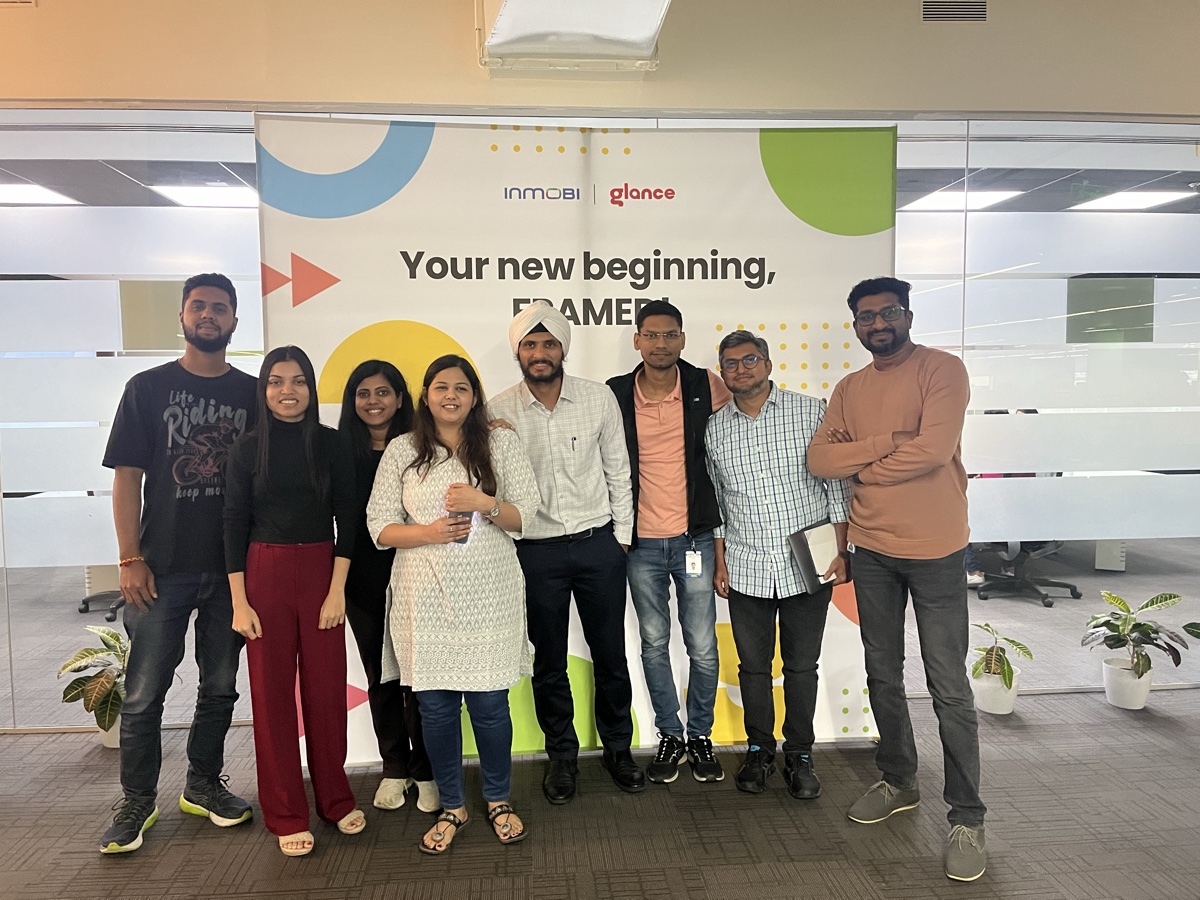
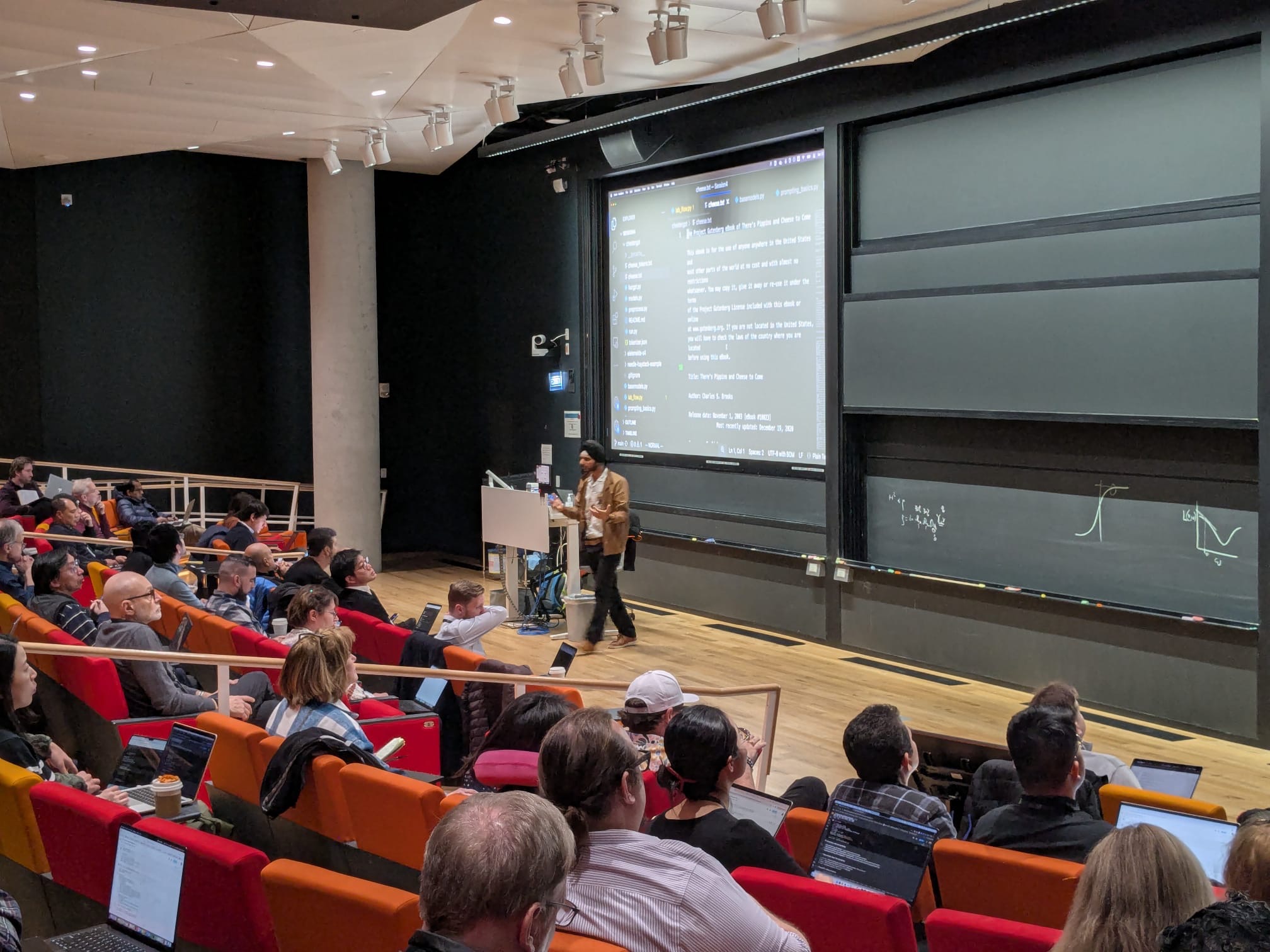
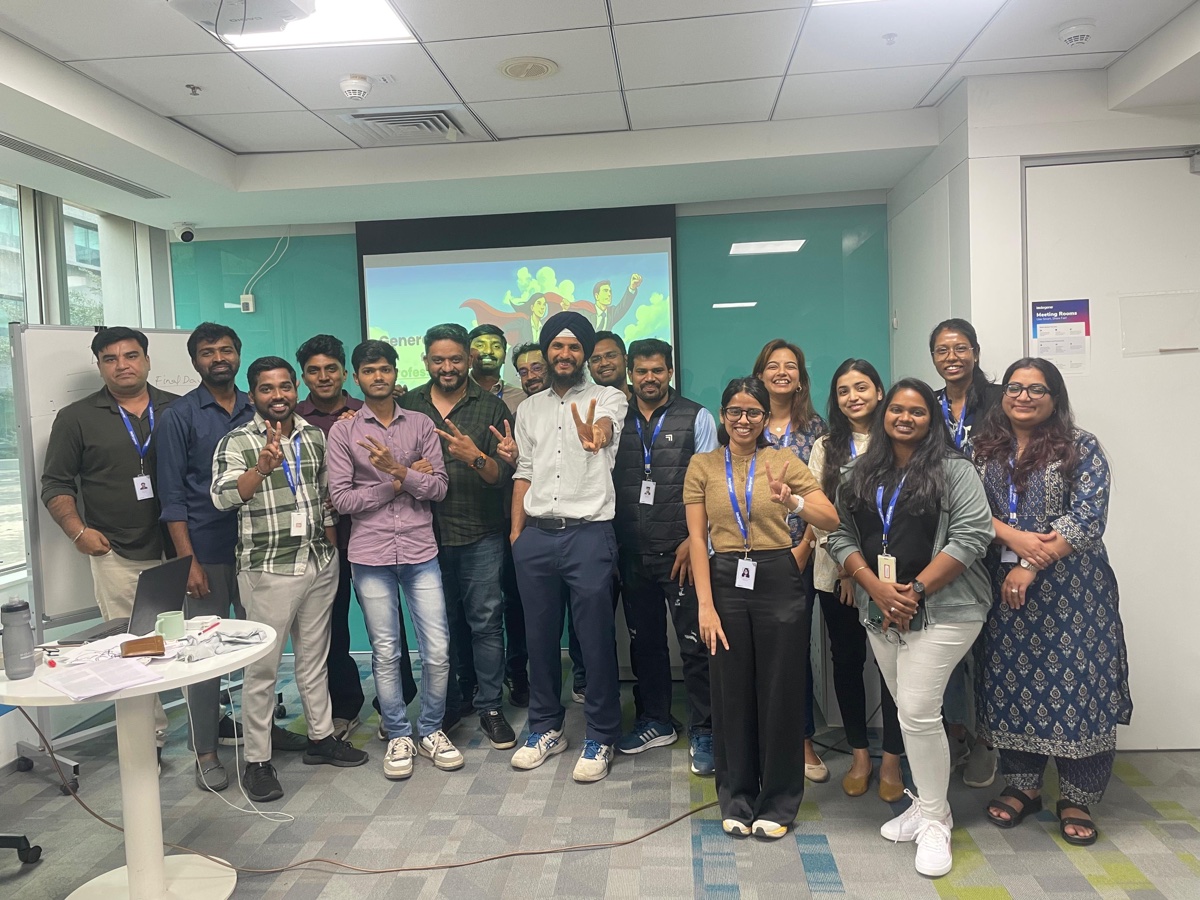
We ran a year-long training program across 15+ cohorts, each with 40+ participants from different teams and functions. The curriculum was end-to-end: we started at neural networks and worked our way through to agents, with hands-on mastery of tools like ChatGPT and Copilot along the way.
(Here’s the curiculum we designed for the team: Generative AI for Pros)
The approach was deliberately foundational. Instead of jumping straight to “here are 10 prompts that work,” we spent time on how large language models actually function: that they’re statistical token simulators, not reasoning engines. This shifted the room. People stopped treating AI like a magic oracle and started treating it like a tool, with very specific strengths and very specific failure modes.
For the scientific writers, we went deep on hallucination reduction. We worked through tactics like providing richer context, structuring prompts to constrain outputs, and building verification habits into their workflows. The goal wasn’t to replace their expertise. It was to make them faster without compromising the accuracy that regulated content demands.
The result
Over the course of the program, we trained 500+ people across Indegene. The first cohort’s feedback was overwhelmingly positive. Positive enough that what started as a pilot was rolled out company-wide.
The biggest shift wasn’t in productivity metrics (though those improved). It was in mindset. People went from either fearing AI or blindly trusting it to understanding exactly what it is, what it’s good at, and where to be careful. That’s the kind of foundation you can actually build on.
In fact, one leader of HR galvanized his team, and built an internal agent that answered everyday HR employee queries grounded in the official company policies. Now that’s an AI-ready workforce!